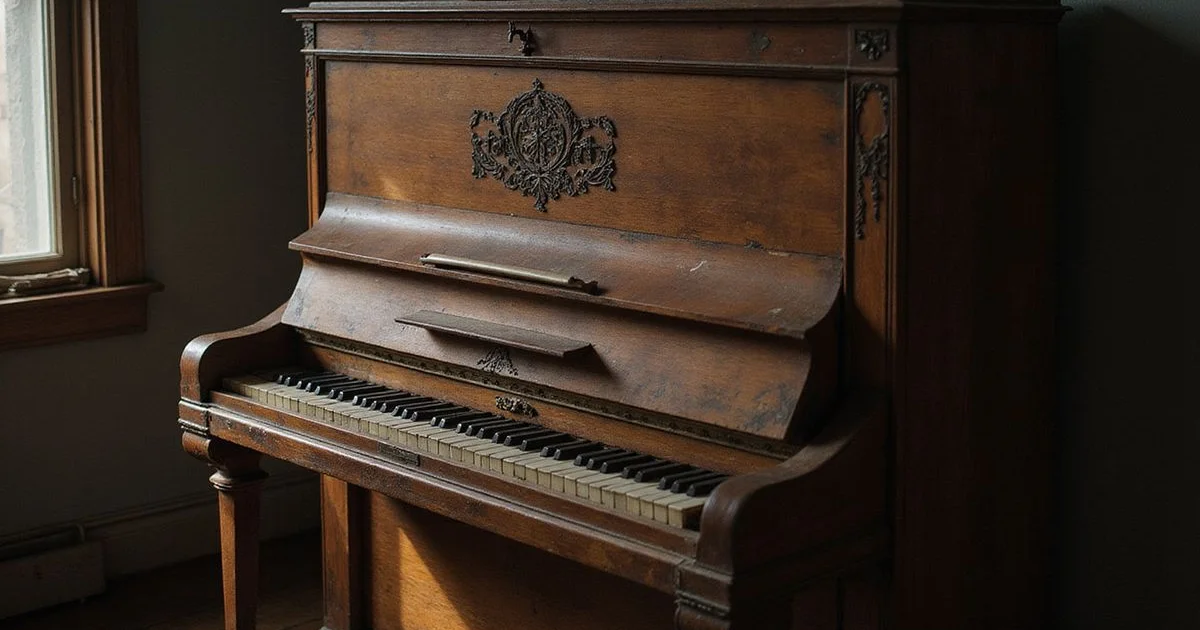
The Longevity Question, Answered Honestly
We regularly see clients hesitate over older instruments because they worry about hidden deterioration. The dividing line between a worn-out liability and a lifelong asset is often just a matter of basic maintenance history. This guide explains exactly what determines a piano lifespan and what signs indicate a sound investment.
Our team will break down the specific components that age, how restoration resets the clock, and the daily habits that keep an instrument stable.
To see instruments that have been evaluated for exactly this kind of longevity, view our pre-owned and restored pianos.
How Long Do Pianos Last? Acoustic Pianos Explained
A high-quality acoustic piano will comfortably last between 50 and 100 years if it receives regular tuning and stable humidity. Our technicians frequently service vintage models that still play beautifully a century after leaving the factory.
That long life is precisely why a pre-owned instrument can offer such incredible value. An acoustic piano that is twenty or thirty years old is barely middle-aged compared to its total potential lifespan.
We always remind buyers that a young used instrument often has decades of excellent musical service still ahead of it. Several factors ensure an instrument hits that 100-year mark:
- Consistent humidity levels maintained year-round.
- Regular pitch maintenance and mechanical servicing.
- A sturdy structural foundation from a reputable manufacturer.
The aging process is incredibly slow when the structural core remains protected from extreme temperature swings. This durability makes older pianos a practical choice for both professional studios and busy family homes.
How Restoration Extends a Piano’s Life
A piano’s lifespan is not a single fixed number because almost every moving component can be completely renewed. Our restoration process essentially resets the clock, bringing a tired instrument back to its factory-level performance.
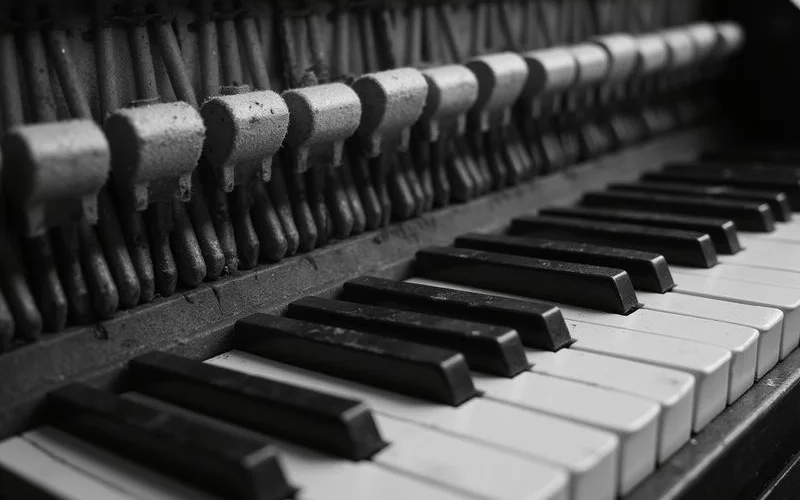
When internal parts wear down from decades of play, they do not mean the end of the instrument’s life. Strings, hammers, dampers, and tiny felt elements of the action can all be systematically replaced.
We consistently see that a finely restored vintage piano can play and sound incredibly close to how it did when brand new. You can explore these transformative techniques in greater detail through our guide to restored vintage pianos.
A piano is renewable
Unlike most things we buy, a piano does not simply wear out. Skilled work can reset the clock, sometimes more than once.
What Wears Out and What Can Be Renewed
The parts most subject to daily wear are the moving action components, the felt hammers, and the high-tension steel strings. We can easily replace all of these mechanical elements while preserving the original structural bones of the instrument.
Hammers will naturally compact and groove over years of striking the strings, causing the tone to become overly bright or harsh. Felt and cloth bushings inside the action will gradually compress, which leads to loose or wobbly keys.
Our team also replaces strings once they lose their brightness and resonance, usually after thirty or forty years of tension. The structural heart of the instrument lasts far longer than any of these moving pieces. The table below outlines how different components age and how they are typically renewed:
| Component | How It Ages | Restoration Method |
|---|---|---|
| Hammers | Felt compacts and grooves from impact | Reshaping the felt or full replacement |
| Strings | Metal loses elasticity and tonal brightness | Complete restringing, including custom bass strings |
| Action Felts | Cloth compresses, causing loose keys | Re-bushing and regulating the entire action |
| Soundboard | Wood reacts to humidity and may crack | Shimming cracks and applying new varnish |
A sound structure is exactly what makes any older piano worth restoring in the first place. We know that when the heavy cast-iron frame and wooden soundboard are good, the rest can always be brought back to life.
You are essentially getting a brand-new mechanical engine inside a beautifully aged, seasoned cabinet.
How Care Affects Longevity
How a piano is treated daily dictates whether it survives for a century or requires major repairs within a decade. Our technicians always stress that environmental stability is the single most critical factor for long-term instrument health.
Sensible placement away from radiators, underfloor heating vents, and direct sunlight protects the wooden soundboard from drying out. Homes in the UK face dry central heating in winter and sticky humidity in summer, which wreaks havoc on wooden components.
We strongly recommend aiming for a consistent relative humidity of 40 to 55 percent year-round to keep the action stable. Using a simple digital hygrometer helps you monitor these levels and add moisture to the room when the heating is on.
The Role of Regular Tuning
Regular pitch maintenance plays a huge role in preserving the structural integrity of the frame and strings. Our standard advice for most UK homes is to schedule a tuning two to three times a year.
A piano kept near standard concert pitch lives a much easier life than one left to drift far below it. Dropping significantly out of tune means the instrument will require an aggressive, more expensive pitch raise to stabilize it again.
We have seen that consistent tuning prevents the tuning pins from seizing and keeps the string tension perfectly balanced. Catching small regulation issues during these routine visits stops minor wear from turning into costly damage. To keep the instrument in peak condition, follow these basic care rules:
- Tune at least twice annually to maintain pitch stability.
- Keep the lid closed when not playing to reduce dust inside the action.
- Place isolation mats under the castors if you have underfloor heating.
When an Older Piano Is Worth Buying
An older piano is an excellent buy when it was built by a respected manufacturer and has a structurally sound frame. Our showroom team carefully evaluates the wrest plank, soundboard, and bridges before acquiring any used instrument.
A piano that meets those strict structural tests can provide exceptional value and a joy to own for decades. How old can a piano be and still play well?
We frequently prepare instruments from the 1970s and 1980s that easily outperform modern entry-level models. A worthwhile older piano will always have:
- A crack-free cast-iron frame.
- A soundboard with strong positive crown.
- Tuning pins that sit tightly in the wrest plank.
Age alone is never the deciding factor in the assessment process. Our technicians answer those exact questions for every single instrument that enters the collection.
Understanding how long do pianos last is the first step toward finding your perfect instrument. Buyers can feel confident that any restored model has been fully prepared to offer decades of reliable, beautiful music.