Acoustic vs Digital Piano: A Fair Comparison, Honestly Made
You know how a room completely changes the moment you add a real piano. Deciding between an acoustic vs digital piano is a genuine choice, and it deserves a practical answer rather than a standard sales pitch. This guide compares the two openly to help you make an informed decision.
Our team leans toward the acoustic instrument for long-term value, but the reasons are purely practical. It is crucial to have honest facts about when a digital model actually makes sense. You will find stunning acoustic instruments throughout our new piano range.
Let’s look at the data, what it actually tells us, and explore how to make the best investment for your specific space.
Touch, Tone and Dynamic Range
The mechanical action of an acoustic piano provides infinite tonal variety, whereas a digital piano is physically restricted by its pre-recorded sound samples. The heart of the comparison is exactly what happens when you press a key.
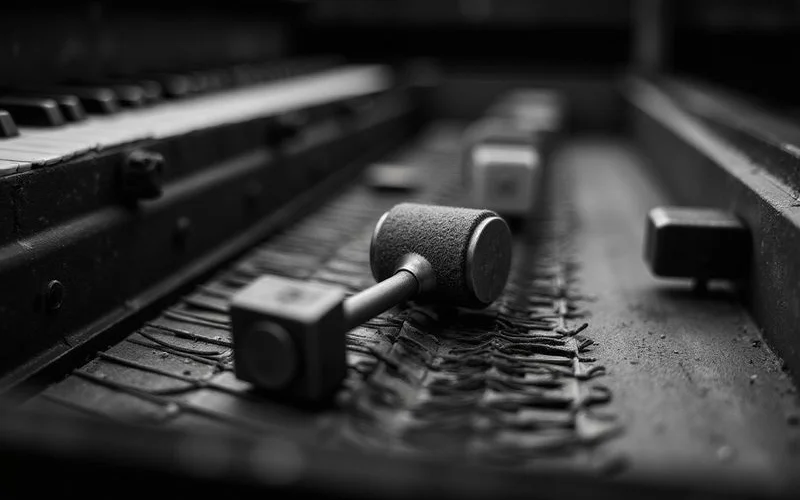
On an acoustic piano, a wooden hammer strikes a steel string. The string vibrates, and a large wooden soundboard turns that energy into a living, resonant sound. The touch is the real, weighted mechanism that produces the note, meaning the feel and sound are one connected physical event. The dynamic range, from a true whisper to a full, resonant fortissimo, is genuine and limitless.
A digital piano reproduces recorded sound samples through electronic speakers. The better ones do this impressively, using weighted keys that imitate an authentic acoustic action. But it remains a technological imitation. The connection between touch and tone is simulated via internal processors rather than physical physics.
We see many advanced players hit the polyphony limits of digital instruments. Polyphony refers to how many notes a digital piano can play simultaneously before it starts dropping the earliest notes. While premium digital models boast 256-note polyphony, an acoustic piano has no such limit, allowing for true, complex resonance.
| Feature | Acoustic Piano | Digital Piano |
|---|---|---|
| Sound Production | Physical hammers striking real strings | Electronic audio samples through speakers |
| Tonal Variety | Infinite, naturally responding to touch | Limited to the installed sample library |
| Polyphony | Unlimited natural resonance | Capped (typically 128 to 256 notes) |
| Mechanism | Real wooden escapement action | Weighted plastic or wood composite keys |
Longevity and Value
An acoustic piano can easily last 50 to 100 years and holds its financial value, while a digital piano typically needs replacing after 10 to 15 years due to electronic degradation. This lifespan gap is where the comparison widens significantly.
A quality acoustic piano is built to survive for decades, and a well-kept instrument maintains real market value across the UK. It can be tuned, regulated, and completely restored by a professional technician.
Our technicians frequently see high-end acoustic pianos passed down through generations. A digital piano, conversely, is an electronic device. Like any consumer electronics, its technology dates quickly, and its resale value falls steadily on the second-hand market. It cannot be mechanically restored, only completely replaced.
Recent 2026 data from UK piano retailers highlights the stark difference in expected lifespans:
- Entry-Level Digital Pianos: Typically last 3 to 7 years before key sensors or motherboards fail.
- Mid-Range Digital Pianos: Generally survive 10 to 15 years with careful home use.
- Upright Acoustic Pianos: Routinely last 30 to 50 years before needing major restorative work.
- Grand Acoustic Pianos: Can last 50 to over 100 years with regular professional maintenance.
Over a lifetime of playing, the acoustic option is frequently the more economical choice as well as the better instrument.
One is an instrument, the other is a device
That single distinction explains most of the differences in touch, tone, longevity and value.
When a Digital Piano Makes Sense
A digital piano is the ideal choice for tight UK flats, temporary event spaces, or initial budgets under £1,000. We would never pretend a digital piano is universally the wrong call.
If you are currently wondering, should I buy a digital piano, you need to weigh your physical space against your musical goals. It can genuinely suit a very tight room where no acoustic frame will safely fit. It is also a practical solution for a living situation with a strict noise covenant and no acoustic alternative.
Space and Weight Constraints
The physical logistics of moving a piano into a commercial business or a first-floor flat are significant. A standard acoustic upright piano weighs between 220kg and 300kg. A standard digital console piano weighs around 45kg, making it vastly easier to move up narrow staircases without hiring specialist piano movers.
Budget Considerations
A digital keyboard is a reasonable stepping stone for a budget that simply will not stretch to a fully prepared acoustic yet. There is absolutely no shame in starting there. It is best understood as exactly that: a stepping stone toward a real piano, rather than a final destination.
Here are the specific scenarios where digital models excel:
- Small Hospitality Venues: Cafes needing easily moveable background music setups.
- Upper-Floor Flats: Buildings where weight limits or access stairwells prohibit a 250kg instrument.
- Student Accommodations: Temporary living arrangements requiring simple transport at the end of the term.
The Noise Objection, Answered
You can have both a genuine acoustic action and perfectly quiet practice by choosing a modern hybrid instrument. For many property owners, the only real reason they consider a digital model is the fear of noise complaints. They want silent practice and assume that automatically means going entirely digital.
There is a much better answer. A Yamaha SILENT piano is a full, traditional acoustic instrument that can be switched to a quiet headphone mode whenever you need it. You keep the real wooden action and the authentic tone during the day, and you gain private practice at any hour of the night.
Our complete guide to Yamaha SILENT pianos explains exactly how this remarkable hybrid technology works. With a silent acoustic, you do not have to make a permanent compromise between a real piano and quiet practice.
The latest 2026 silent systems use incredible technology to bridge this gap:
- Non-Contact Optical Sensors: These sit under each key to continuously measure the exact depth and force of your stroke without ever touching the wooden mechanism.
- Binaural Sampling: Yamaha samples its flagship CFX concert grand piano using special microphones that mimic the human ear, creating a three-dimensional sound through your headphones.
- Hammer Stop Rail: A physical rail drops down to catch the hammers mere millimetres before they strike the strings, muting the acoustic sound entirely.
Hear It for Yourself
The final decision in the acoustic vs digital piano debate is best made by playing both side-by-side in a professional showroom. Words and specifications can only go so far in a practical comparison like this.
The physical difference between the two is something you hear and feel within seconds.
Visit our Harrogate showroom and sit down to play a prepared acoustic piano in a quiet, dedicated room. We encourage you to test the dynamic range by playing as softly as possible, and then as loudly as possible. This simple physical test usually reveals the limitations of a digital sensor immediately.
For most musicians and homeowners, that is the exact moment the comparison ends.
The instrument simply speaks for itself.
If you are ready to explore the options, contact our team today to book a private demonstration. We will happily walk you through the nuances of both styles so you can find the perfect fit for your property.