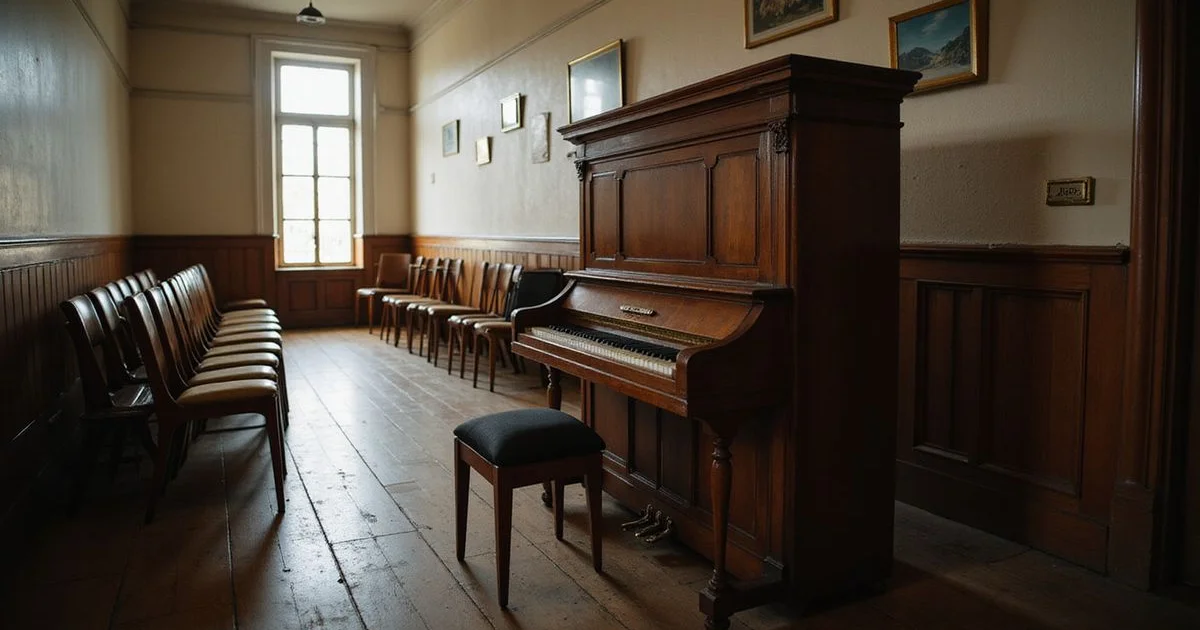
Buying a Piano for an Institution Is a Different Decision
We know how difficult it is to balance limited funding with the need for a truly reliable instrument. Keep in mind that when evaluating pianos for schools or public venues, the instrument will be played by many different people, often vigorously, in a large room.
It needs to keep working flawlessly for years on a budget that must be justified to a committee. Our guide sets out what genuinely matters for these demanding environments.
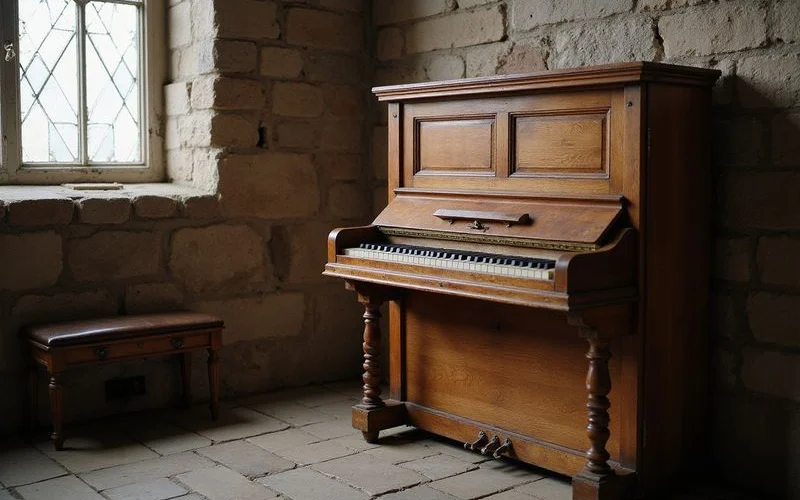
Whether you are a teacher, a bursar, or a member of a church committee, the same core principles apply. A good institutional piano is exceptionally durable, well-matched to its room, and supported by a local technician who can keep it perfectly in tune.
Both our new pianos and our restored instruments can fill that role well.
Durability and Value for Heavy Use
We recommend prioritising rugged build quality and stable action mechanisms over polished aesthetics for any high-traffic venue. An institutional piano takes far more use than a home piano, often enduring hours of daily practice from players of every level.
Our workshops regularly service instruments that sustain thirty hours of weekly use, compared to the typical three hours a home piano receives. Durability matters significantly more than finish or fleeting fashion trends. You want a solid, well-built instrument with an action that will stand up to years of lessons, rehearsals, and services.
A piano that earns its place
When selecting a piano for a church or a busy school, the best instrument is the one that plays beautifully, lasts for decades, and leaves enough budget for routine maintenance. That is rarely the most expensive option on the showroom floor.
We find that a restored piano often makes the most financial sense for public spaces. A quality older instrument, such as a vintage Yamaha U3, can be every bit as resilient as a brand new one, but at a noticeably lower price point. For a budget-conscious institution, that difference can dictate whether the venue secures a good piano or no piano at all.
Our technicians actively look for specific structural features when sourcing instruments for heavy use. You should evaluate any potential purchase against these proven hardware standards:
- Solid Spruce Soundboards: These resist cracking better than laminated alternatives during the severe temperature drops common in UK churches.
- Reinforced Back Posts: Extra timber framing ensures the piano holds its tune longer despite aggressive playing.
- Hardwearing Action Parts: Avoid older pianos with brittle plastic components from the 1960s, which snap under heavy institutional use.
- Heavy-Duty Castors: Dual-wheel brass castors are essential for safely rolling the instrument across school assembly halls.
Getting the Acoustics Right
We always evaluate the specific reverberation time of a room before recommending a piano size or tonal profile. A piano that sounds lovely in a small, carpeted showroom can be completely lost in a large hall, and one chosen for maximum projection can deafen students in a small classroom.
Our acoustic assessments show that hard floors and stone walls create lively environments, meaning the piano’s inherent tone should be warm rather than overly bright. Size and placement dictate how well the sound carries to the back row of an audience.
Matching Size to Room Reverberation
We use standard acoustic metrics to help venues match the instrument to the physical space. If you are buying a piano for a community hall, note that bare walls can easily create an RT60 reverberation time of three to five seconds, which turns bright, sharp notes into a harsh echo.
Conversely, a carpeted venue with acoustic panels might have an RT60 of just one second, requiring a much more powerful instrument to fill the void. Consider these general sizing guidelines for institutional pianos:
| Room Type | Recommended Piano Size | Acoustic Focus |
|---|---|---|
| Small Classroom | Standard Upright (112cm to 120cm) | Warm tone to prevent harshness in tight, reflective spaces. |
| Community Hall | Large Upright (121cm to 131cm) | Strong bass projection to overcome ambient crowd noise. |
| Large Church Sanctuary | Medium Grand (180cm / 6ft +) | Clear, articulate voicing to cut through natural stone reverberation. |
Our team is glad to advise on the right instrument once we understand the exact dimensions and materials of your room.
New or Restored for a Tight Budget
We generally advise institutions to weigh the immediate warranty benefits of a new instrument against the substantial cost savings of a fully restored model — the same trade-off we explore in our guide to new versus pre-owned pianos. A brand new acoustic piano brings a long service life from the very first day, which provides great certainty for a committee.
Our recent market analysis for 2026 shows that a new, industry-standard Yamaha U1 upright currently retails for approximately £8,500 in the UK. A beautifully restored vintage piano brings excellent character and frees up crucial funds for ongoing tuning and long-term care.
We supplied a beautifully restored Kemble to Ripon Grammar School precisely for this budget-friendly reason. It cost around half the price of a comparable new piano, yet it plays superbly and reliably. For many local authorities and parish councils, choosing a restored instrument is the sensible, confident choice.
Making a Data-Driven Choice
Our clients often find a side-by-side financial comparison helps their committees reach a faster consensus. Here is a realistic look at how typical UK pricing compares for institutional-grade uprights:
| Piano Condition | Typical UK Price (2026) | Primary Benefit |
|---|---|---|
| Brand New (e.g., Yamaha U1) | £8,000 to £9,000 | Comprehensive five-year manufacturer warranty and pristine cosmetic finish. |
| Fully Restored (Premium Brand) | £3,500 to £4,500 | Professional-grade action and tone at roughly half the acquisition cost. |
| Used / Unrestored (Private Sale) | £500 to £1,500 | Very low initial cost, but carries high risk of imminent mechanical failure. |
We strongly discourage institutions from accepting free or extremely cheap pianos from private online marketplaces. Cheap, unserviced pianos from private sellers almost always require immediate, costly pitch raises or complete action rebuilds that far exceed their actual value.
Ongoing Tuning and Support
We emphasise to every client that purchasing the instrument is only the very first step in a long-term maintenance journey. An institutional piano requires regular tuning, often significantly more than a home piano, simply because it receives so much heavy use.
Our standard recommendation for schools and churches is a minimum of two to three tunings per year to maintain a stable pitch. Local support is essential, which is why we provide ongoing tuning and maintenance across North Yorkshire, looking after several instruments across a single site.
Budgeting for Routine Maintenance
We find that establishing a predictable maintenance budget is vital for public venues. In 2026, the average cost for a professional piano tuning in the UK ranges from £70 to £90 per visit. Neglecting this schedule leads to severe pitch drops, which then require a more expensive ‘pitch raise’ procedure that can easily cost over £120.
Our technicians also advise monitoring the environment around the instrument. You can dramatically extend the life of your institutional pianos by following these basic environmental rules:
- Control the Humidity: Keep relative humidity between 45% and 60% using a dedicated room humidifier or a fitted Piano Life Saver system.
- Avoid Direct Heat: Never place the piano next to large church radiators or directly beneath powerful overhead heating vents.
- Regulate Sunlight: Keep the instrument out of direct, prolonged sunlight to prevent the casework from fading and the soundboard from drying out.
If your school, church, or community hall is thinking about an upgrade, the best next step is an open conversation.
Tell us about the room, the intended daily use, and your allocated budget.
We will help you secure an instrument that serves your community flawlessly for many years.