What a Piano Really Costs
Understanding exactly how much does a piano cost separates a frustrating money pit from a lifelong musical asset.
Our direct answer spans a wide range in the 2026 UK market. A reliable pre-owned upright starts around £800, while a premium new grand easily reaches £45,000. As a professional service team, we constantly hear from property owners trying to make sense of these numbers.
Pricing an instrument often feels like aiming at a moving target.
- Current market values for uprights and grands
- The technical preparation process
- Regional delivery and tuning budgets
We are going to break down the main price tiers and then walk through the specific preparation steps that justify these figures. The data below reflects what you should genuinely expect to pay, whether you are considering one of our new pianos or a pre-owned or restored instrument.
The Main Price Bands
Current piano prices uk fall into three distinct categories based on size and history. Buyers can expect to spend between £800 for an entry-level used model up to £45,000 for a concert-ready new grand.
| Piano type | Typical UK price | Best suited to |
|---|---|---|
| Pre-owned & restored | £800 - £6,000 | Beginners, families, character seekers |
| New upright | £2,500 - £12,000 | Most homes and serious learners |
| New grand | £8,000 - £45,000 | Larger rooms, advanced players |
The Pre-Owned and Restored Route
We often recommend a pre-owned or restored piano as the most affordable starting point for a good instrument. Prices typically begin around £800 and rise to roughly £6,000 for a finely restored vintage model.
A professionally reconditioned Yamaha U1 from the 1970s often sells for around £3,000 in the UK today. This specific option gives you a sturdy, time-tested design for less than half the cost of buying brand new. Used instruments offer excellent value, provided a qualified technician has fully inspected the action and soundboard, and our guide to new versus pre-owned pianos weighs the two routes in detail.
The New Upright piano cost
The standard upright piano cost ranges from £2,500 to £12,000 across modern showrooms. The lower end secures a sound, dependable instrument for casual daily practice.
Our team notes that stepping up to the £4,800 to £9,000 tier provides significant upgrades. You will typically find:
- Advanced carbon composite action mechanisms
- Professional-grade spruce soundboards
- Longer keys for greater expressive control
A highly regarded model like the Kawai K-300 retails for approximately £4,855. Moving higher, a new Yamaha U1 currently costs around £8,500 to £10,900, delivering exceptional acoustic resonance.
The New Grand Piano Price
A standard grand piano price starts at £8,000 and reaches £45,000 for premium consumer models. This significant jump reflects the sheer size of the instrument, the quality of its internal materials, and the prestige of the maker.
We find that serious musicians often consider models like the Yamaha C3X. This specific 6’1” grand piano retails for approximately £31,000 to £34,000. Instruments in this category utilise European spruce and thickened back frames to produce a concert-hall sound right inside your property.
What Drives the Price
We find that the final cost of any piano is driven primarily by its brand reputation, physical dimensions, internal condition, and exterior finish. Understanding these four factors helps you judge the true market value of an instrument before purchasing.
Here is a breakdown of the key price drivers:
- Brand Reputation: Respected makers command a premium because their quality remains consistent. A brand like Kawai uses ABS-Carbon composites in their actions, making them highly resistant to temperature changes.
- Physical Size: A larger piano requires a larger cast-iron plate and longer strings. A grand costs more than an upright for fundamental acoustic engineering reasons, not visual fashion.
- Internal Condition: For a used piano, the mechanical condition matters far more than its exact age. A well-built older piano with pristine felt hammers holds far more value than a newer neglected model.
- Exterior Finish: A high-gloss polished ebony finish costs noticeably more than a standard satin finish. This price difference reflects the labour-intensive cabinet polishing process.
Price is not the same as value
The cheapest piano in a listing is rarely the best value. A slightly higher price that includes proper preparation and tuning usually saves money in the long run.
Why Preparation Adds Real Value
Preparation adds value because an inspected, regulated, voiced, and tuned piano guarantees immediate playability. A properly serviced instrument avoids the hidden repair costs that often plague cheap private sales.
Our workshop experts know that an acoustic piano contains over 9,000 individual parts. An instrument is worth significantly more when a qualified technician has carefully adjusted all these moving components.
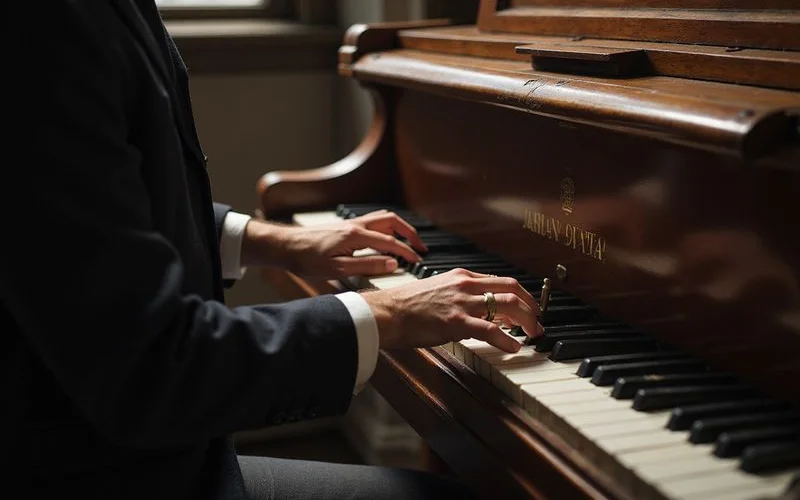
This detailed attention is why a very cheap private-sale piano often costs much more in the end. The headline price looks appealing on a local advert. The cost of hiring specialist movers, assessing damage, and fixing hidden faults will quickly overtake the price of a fully prepared showroom instrument.
The Three Pillars of Piano Preparation
To understand what you are actually paying for, it helps to know the specific technical work involved. We ensure every instrument undergoes these three essential processes before it leaves our care.
- Regulation: This process adjusts the mechanical action mechanism so keys respond evenly. Parts compress over time, so proper regulation restores consistent repetition and key depth.
- Voicing (Toning): Technicians shape the character of the sound by adjusting the felt piano hammers. This general step softens a harsh tone and improves musical clarity.
- Pitch Raising: A neglected piano often drops below the standard Concert Pitch of 440Hz. Bringing it back up requires a double tuning process, which can cost up to £250 on its own if left unchecked.
Ongoing Costs to Budget For
The most significant ongoing cost for a piano is routine tuning, which currently averages between £70 and £90 per visit across most of the UK. Aside from regular tuning, maintaining an acoustic piano simply requires sensible room placement and steady ambient temperatures.
We recommend budgeting for two tunings a year for most standard domestic settings. New pianos often require up to three tunings in their first year as the strings stretch and settle into their final tension.
Regional Tuning and Delivery Variations
Routine maintenance fees do vary depending on your specific location and the condition of the instrument. While a standard tuning in the North of England might cost around £80, technicians in Central London frequently charge up to £160 for the exact same service.
Professional piano movers charge anywhere from £150 to £300 for a standard ground-floor job. Our team removes this hurdle completely for local customers. Delivery is entirely free within 30 miles of our Harrogate showroom, so regional buyers have zero transit costs to plan for.
Setting a Sensible Budget
A sensible budget prioritises a long-term purchase that matches your true musical ambitions without stretching your finances. Setting a firm financial limit before you begin shopping prevents impulsive decisions and ensures you secure a quality instrument.
You should always view a good piano as a generational investment that may be played for decades. A well-maintained acoustic model easily lasts 50 to 100 years with proper care.
Practical Budgeting Steps
We strongly suggest following a structured approach to avoid hidden surprises. Keep these three points in mind:
- The Ten Percent Rule: Set aside roughly ten percent of your total budget to cover initial accessories, castor cups, and your first year of professional tuning.
- The Upgrade Calculation: It is usually wiser to buy slightly better and keep the instrument than to buy cheap and face a frustrating replacement process just three years later.
- The Physical Test: Always test the touch and tone in person. A piano that looks beautiful online might possess a heavy, unplayable action in reality.
If you would like help matching a specific budget to the right model, please come and talk it through with us. You can sit down, assess the different actions, and play a few distinct pianos while you are here in the showroom.
Finding the perfect instrument takes time, but the resulting musical joy is always worth the effort.