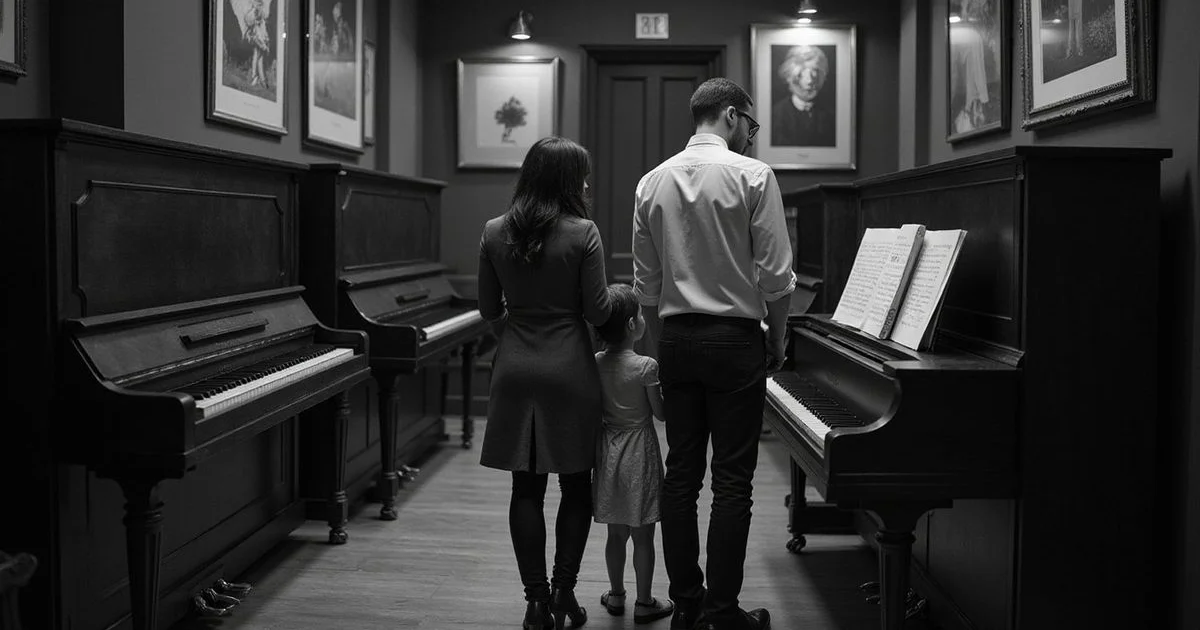
Our team has spent years guiding families through the showroom, and a common hurdle always appears. People often feel overwhelmed by the sheer number of options available today.
The truth is, learning how to choose a piano becomes much easier once you look at your own home.
This shift in focus changes everything. We are going to break down the core decisions in order of importance so you can find the ideal match. A definitive buying a piano guide helps you establish a realistic budget and space requirement right away.
How to Choose a Piano: Start With the Decision, Not the Piano
Start by deciding your budget and measuring your physical space before looking at a single instrument. Our technicians see buyers get distracted by beautiful finishes in the showroom, only to realise the piano will not fit their living room.
Standard upright models usually sit between 110cm and 135cm in height. Grand pianos require a minimum of 150cm in depth just for a baby grand size.
We always suggest mapping out the floor space with masking tape to visualise the footprint. This simple trick prevents costly return shipping fees later.
Here are three constraints to define immediately:
- Maximum floor space in centimetres.
- Access points like narrow hallways or tight staircases.
- A strict upper limit for your budget.

The Key Decisions, in Order
You must decide between a new or pre-owned model, select an upright or grand shape, and finalise your spending limit. A new piano brings a long warranty, the latest action mechanisms, and a flawless finish.
Our guide to new versus pre-owned pianos walks through this in detail, but well-prepared used instruments offer massive value. A good upright suits the great majority of UK spaces perfectly, taking the stress out of choosing a piano for the home.
Space and budget usually dictate whether you can accommodate the responsive action of a larger instrument. Our guide to upright versus grand pianos covers those specific trade-offs.
| Piano Category | Starting UK Price (approx) | Best For |
|---|---|---|
| Prepared Pre-Owned Upright | £800 | Budget-conscious buyers |
| New Entry-Level Upright | £2,500 | Advancing learners needing warranties |
| New Grand Piano | £8,000 | Serious students with large rooms |
Set a realistic range before testing anything. New entry-level uprights begin at £2,500, while grands start at £8,000. We often supply prepared pre-owned pianos starting around £800. Knowing your range keeps the search focused and calm.
What to Prioritise as a First-Time Buyer
First-time buyers should prioritise a reliable, even touch and strong tuning stability over a famous brand name. The logo on the front matters far less than how the instrument actually plays.
We strongly advise testing for consistent feedback across the entire keyboard. A prepared piano gives a learner that essential consistency.
That stable platform supports steady progress through the early music grades, which is the ultimate goal of any first piano buyers guide. Our technicians remind buyers that the Piano Tuners’ Association in the UK recommends tuning an average household piano twice a year. New pianos typically require more frequent tuning during their first twelve months as the strings stretch and settle.
Managing Your Environment
The room itself shapes the sound and health of your instrument significantly. UK central heating systems cause major humidity fluctuations during the winter months.
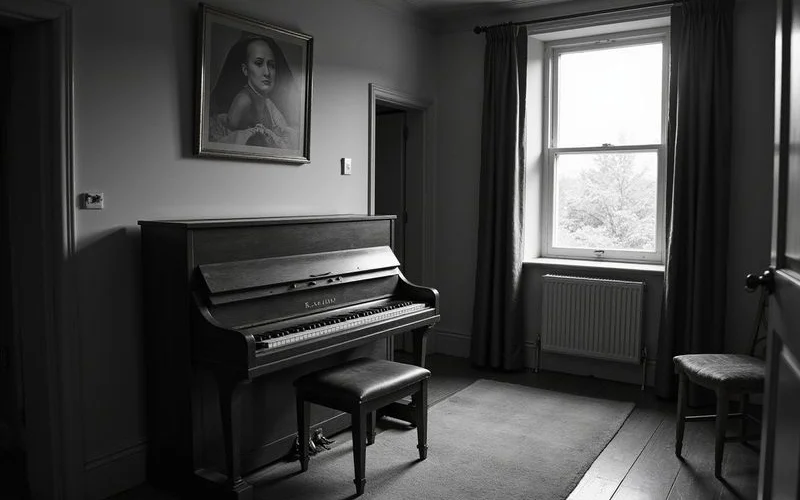
We recommend maintaining a relative humidity between 40% and 60% to protect the delicate wooden soundboard. You should position your piano against an inside wall away from direct radiators.
This placement prevents the wood from warping. Our team has seen too many fine instruments damaged by excessive dry heat.
Look for room to grow
A piano that carries a learner well past the early grades is a much better investment than a basic model they will outgrow in two years.
Why a Showroom Visit Makes It Easier
Visiting a showroom allows you to physically feel the touch and hear the tone, which are impossible to judge from a description. Two pianos with the exact same specification can feel completely different under your hands.
We know that touch and tone are deeply personal preferences. The only way to truly understand an instrument is to play it yourself.
You do not need to arrive with a decision made
The most useful thing you can do is come, sit down and play several pianos in a quiet room. The right one usually makes itself known.
A relaxed visit lets you compare instruments side by side. You can ask detailed questions and take your time.
Our staff never pressure anyone to decide on the day.
Questions Worth Asking Before You Buy
Ask the seller about the instrument’s preparation history, its exact condition, and the delivery logistics. A few simple questions will tell you a great deal about the retailer.
We recommend bringing a checklist to ensure nothing gets missed.
- Has the piano been professionally prepared and tuned to concert pitch?
- What is its current condition and rough age?
- How will the team manage the delivery up tight UK staircases?
- Is a follow-up tuning included after the piano settles in your home?
Clear, honest, and reassuring answers mean you are dealing with a reputable dealer. When you feel ready, come and play a few pianos with us in Harrogate. Our showroom is designed to let the instrument guide your final choice.
Finding the perfect fit takes a little patience and practical planning. Knowing how to choose a piano ensures you make a confident, lasting investment for your family.
We invite you to book a viewing today to start exploring the possibilities.